

Here are 10 genuinely surprising facts about income investing—especially relevant for retirees and near-retirees:
- High yield often means lower long-term income
Securities with the biggest yields frequently cut payouts during downturns. Lower-yield, steadily growing income streams often deliver more total cash over a retirement. - Dividend growth matters more than dividend size
A 2.5–3% yield that grows 6–8% annually can overtake a static 6–7% yield in less than a decade. - Income portfolios can be less volatile than “conservative” growth portfolios
Because income investors rely on cash flow—not price appreciation—they’re less forced to sell during market stress, reducing behavioral risk. - Selling shares is riskier than collecting income (psychologically and mathematically)
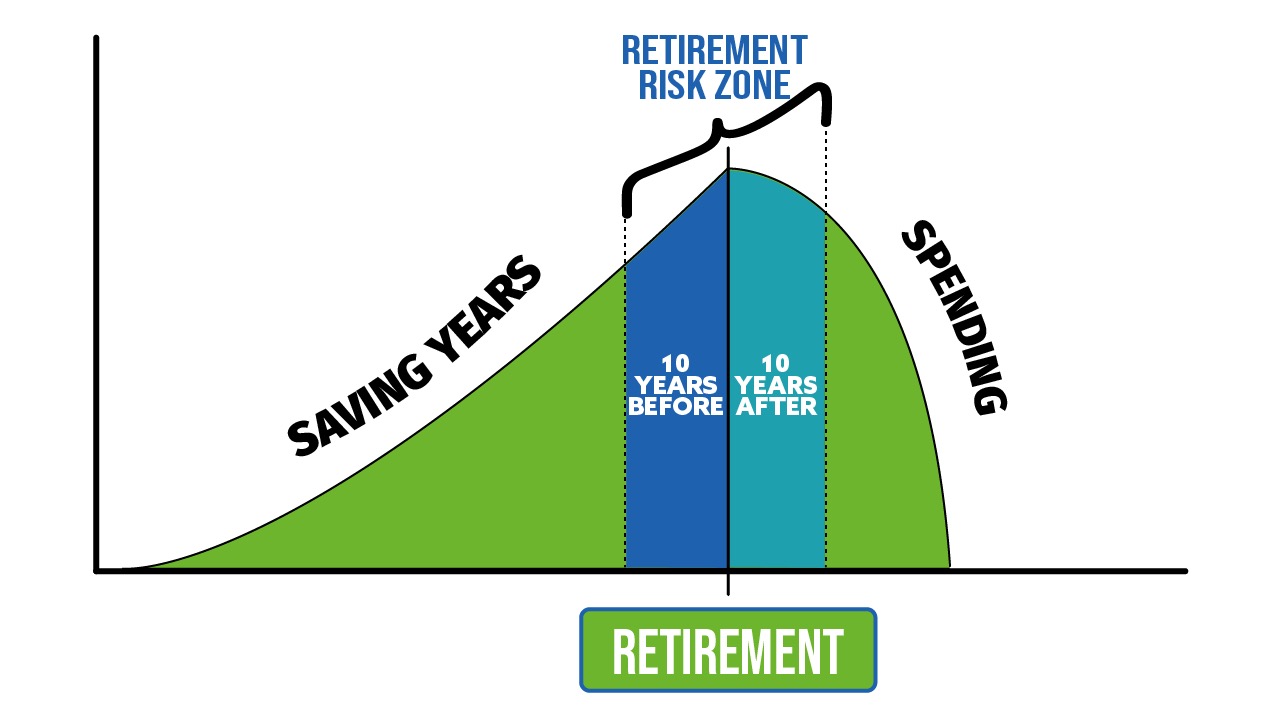
Withdrawals from volatile assets amplify sequence-of-returns risk. Income arrives regardless of market prices. - Dividends cushion bear markets—even when prices fall
Historically, dividend-paying stocks have declined less and recovered faster than non-payers during major downturns. - Income investing often improves investor discipline
Regular cash flow reduces panic selling. Investors are more likely to stay invested when income continues uninterrupted. - You don’t need “high-risk” assets to generate meaningful income
Blended income—dividends, interest, ladders, and selective funds—can produce sustainable cash flow without extreme leverage or speculation. - Income investing scales down risk with age better than growth strategies
As time horizons shrink, dependable cash flow becomes more valuable than uncertain future appreciation. - Taxes can be more manageable than expected
Qualified dividends and certain interest types may be taxed more favorably than frequent capital-gain realizations from selling assets. - Income investing aligns portfolios with real retirement needs
Retirees don’t spend account balances—they spend cash. Income strategies match assets to actual liabilities.
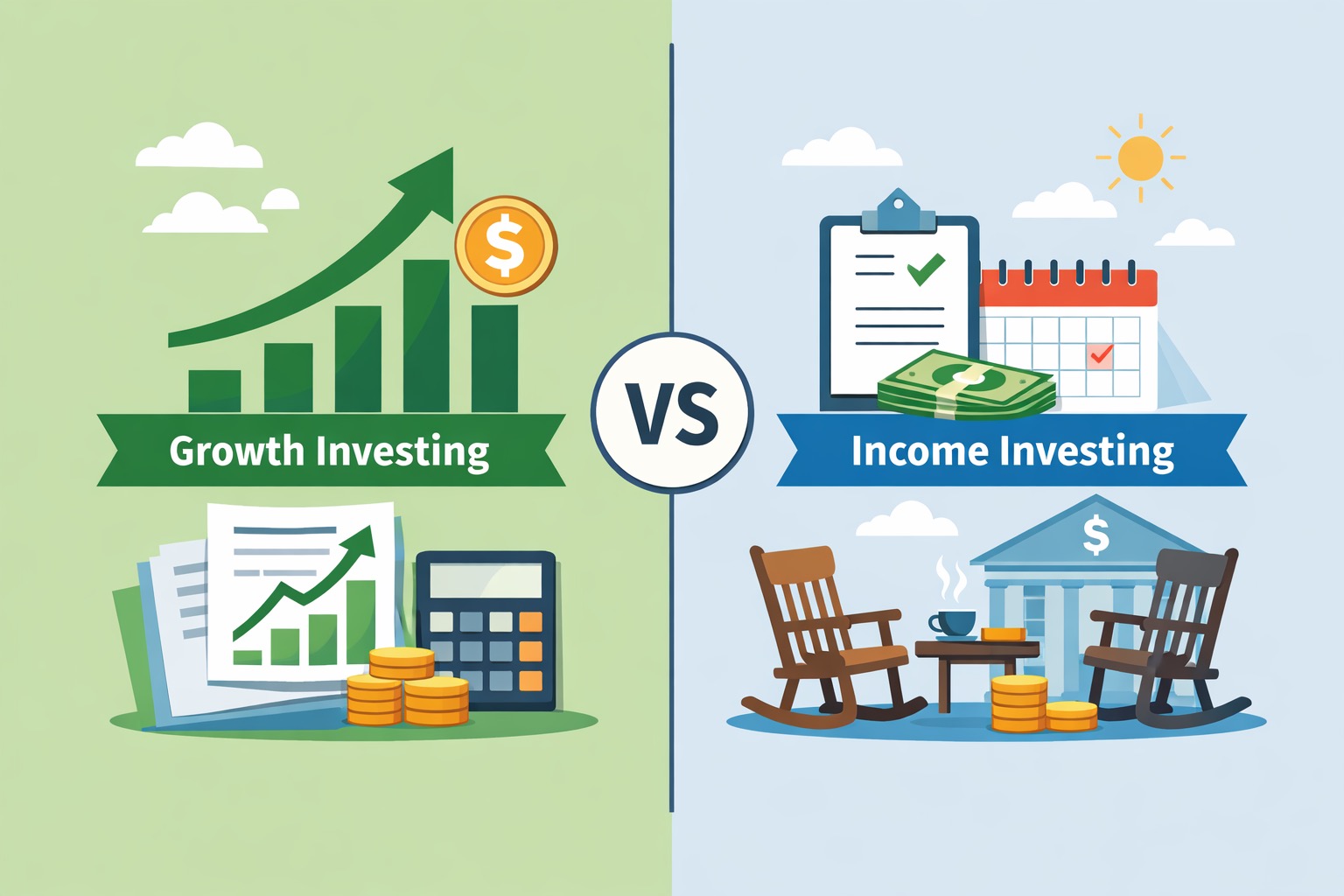
This content is for educational purposes only. For a full overview of how income investing fits into a retirement strategy, begin with Why Income Investing Becomes More Important as You Get Older, and see related guides on sequence-of-returns risk and income versus growth investing.

Leave a Reply